Playbook
The Value Proposition Canvas: Why 72% of Products Fail
72% of new products fail because teams misunderstand the customer. The Value Proposition Canvas maps jobs, pains, and gains before you build.
Seventy-two percent of new product launches fail to deliver on expectations. For every ten products shipped, seven underperform what the team promised. Money spent. Team hired. Launch happens. Customer shrugs.
It's tempting to blame marketing, execution, or timing. The failure is usually earlier and simpler: the team didn't understand the customer they were building for. They had a version of the customer in their head, and that version was slightly wrong in ways they didn't notice until launch day.
The Value Proposition Canvas (VPC), from Alex Osterwalder and Strategyzer, is the tool we use to prevent that.
Two halves, one job
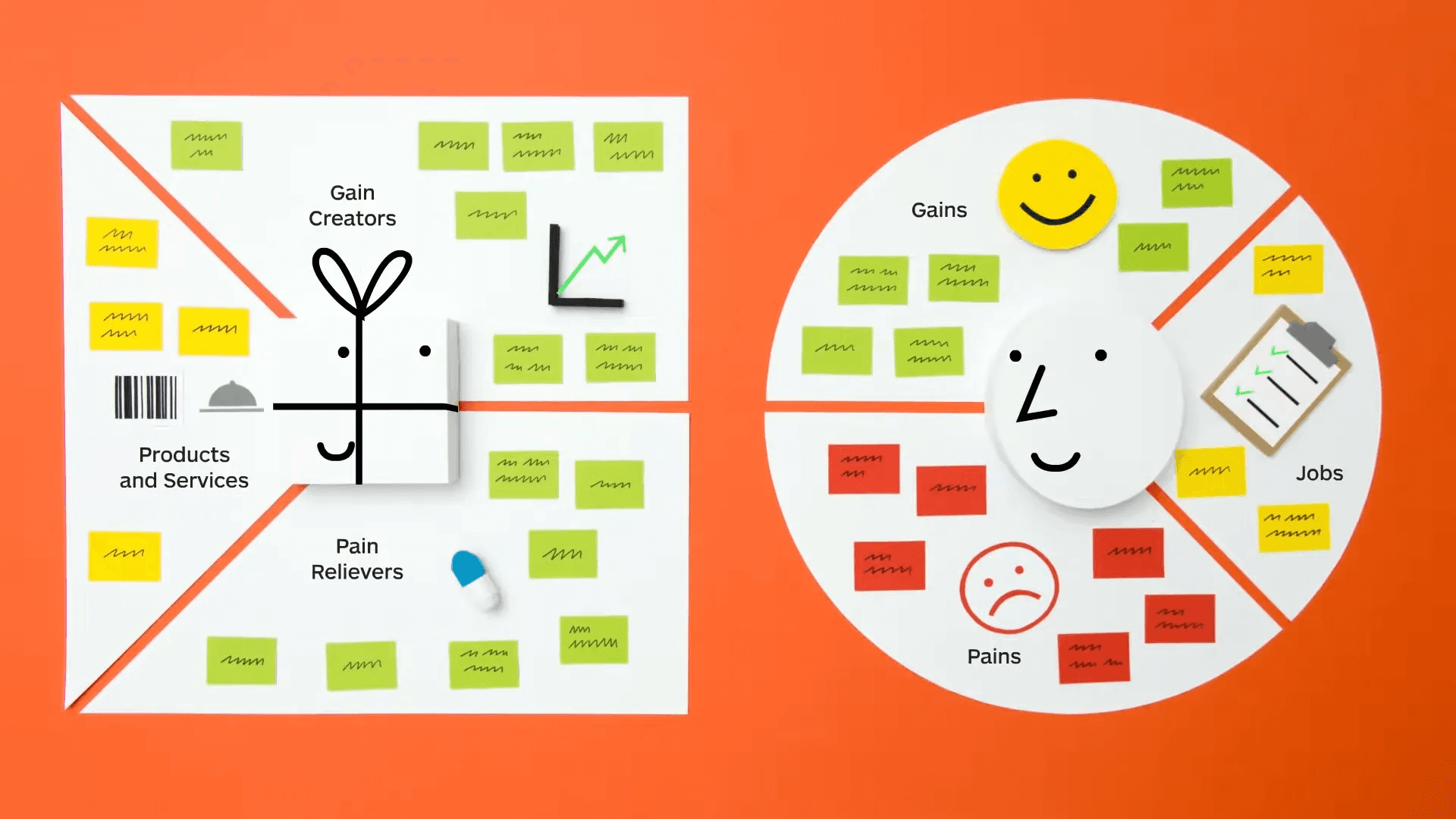
The VPC has two sides:
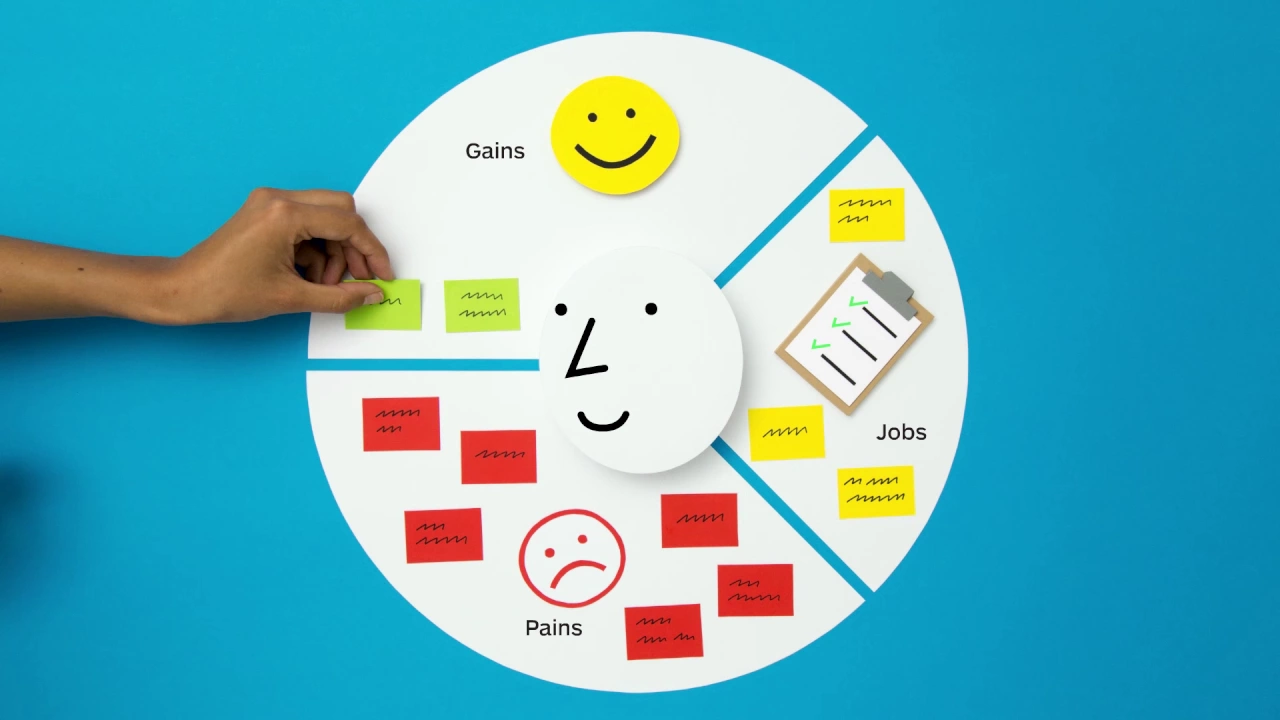
Customer Profile: what's true about the customer, independent of any product.
Value Map: what we propose to offer them.
The job of the canvas is to force the two sides to talk. Most teams build the Value Map and call the work done because building products is fun and thinking rigorously about customers is uncomfortable. That's how the 72% happens.
The Customer Profile
Three parts. Getting all three right is harder than it looks.
Jobs
What the customer is trying to get done. Three flavors:
Functional: practical tasks ("get groceries home")
Social: how they want to be perceived ("look like a good host")
Emotional: how they want to feel ("feel in control of family finances")
The mistake beginners make is writing the functional job and stopping. The richest insights come from social and emotional layers: what the customer hasn't articulated to themselves. They'll say they want a cheaper bank account. What they actually want is to feel like a competent adult who has their life together.
Pains
What makes the job hard. Frustrations, obstacles, risks, anxieties. Distinguish inconveniences customers have learned to live with from pains customers actively hate. The second is where opportunity lives.
Gains
What they're aiming for. The unspoken gains are gold: outcomes they want but don't believe any product will deliver. If you can deliver one, you have a customer for life.
The Customer Profile is a hypothesis, not a snapshot. Version one is partly wrong. Version three usually looks nothing like version one.
The Value Map
Products and services. The concrete surface. Be specific. "An app that helps people budget" isn't a product. "A mobile app that takes a photo of a grocery receipt and categorizes each line" is.
Pain relievers. Map one-to-one onto pains. If a pain has no reliever, that's a deliberate choice. If a reliever has no matching pain: red flag. We're solving a problem the customer doesn't have.
Gain creators. Same one-to-one logic with gains. Features without a matching gain are usually features we added because we thought they were cool.
The one-to-one mapping is the point. It flips the usual product roadmap on its head. Pains and gains come first, everything in the product justifies its existence by tying back.
Finding the fit
Product-market fit happens when the two sides lock together. The most important jobs, pains, and gains are matched by relievers and creators.
A great value proposition doesn't try to relieve every pain. It picks the essential ones and addresses them exceptionally well. The canvas forces that discipline.
How VPC moves through an OS Research project
Day one: sketch a first canvas from intuition. Fast, mostly wrong. Expected.
First testing cycle: validate the Customer Profile. Are the jobs real? The pains? The gains? Twenty or thirty interviews tell us which items hold up and which evaporate.
Only after the Customer Profile survives do we test the Value Map: landing pages, clickable prototypes, Wizard of Oz simulations. By graduation, version five or six.
One important thing
A VPC is necessary, not sufficient.
A product can hit jobs-pains-gains perfectly and still lose money. A business model that doesn't capture value, even when value is created, isn't a business, it just a service people love and you can't afford to run.
The VPC answers will the customer care? It doesn't answer can we build a sustainable company? For that, we use its sibling.
← Previous: Blue Ocean Strategy Explained
→ Next: The Business Model Canvas
🏠 Series hub: Inside a Startup Validation Studio