Playbook
Inside a Startup Validation Studio: How We Work
OS Research is a startup validation studio. We treat business ideas as hypotheses and run structured experiments until they hold up or collapse.
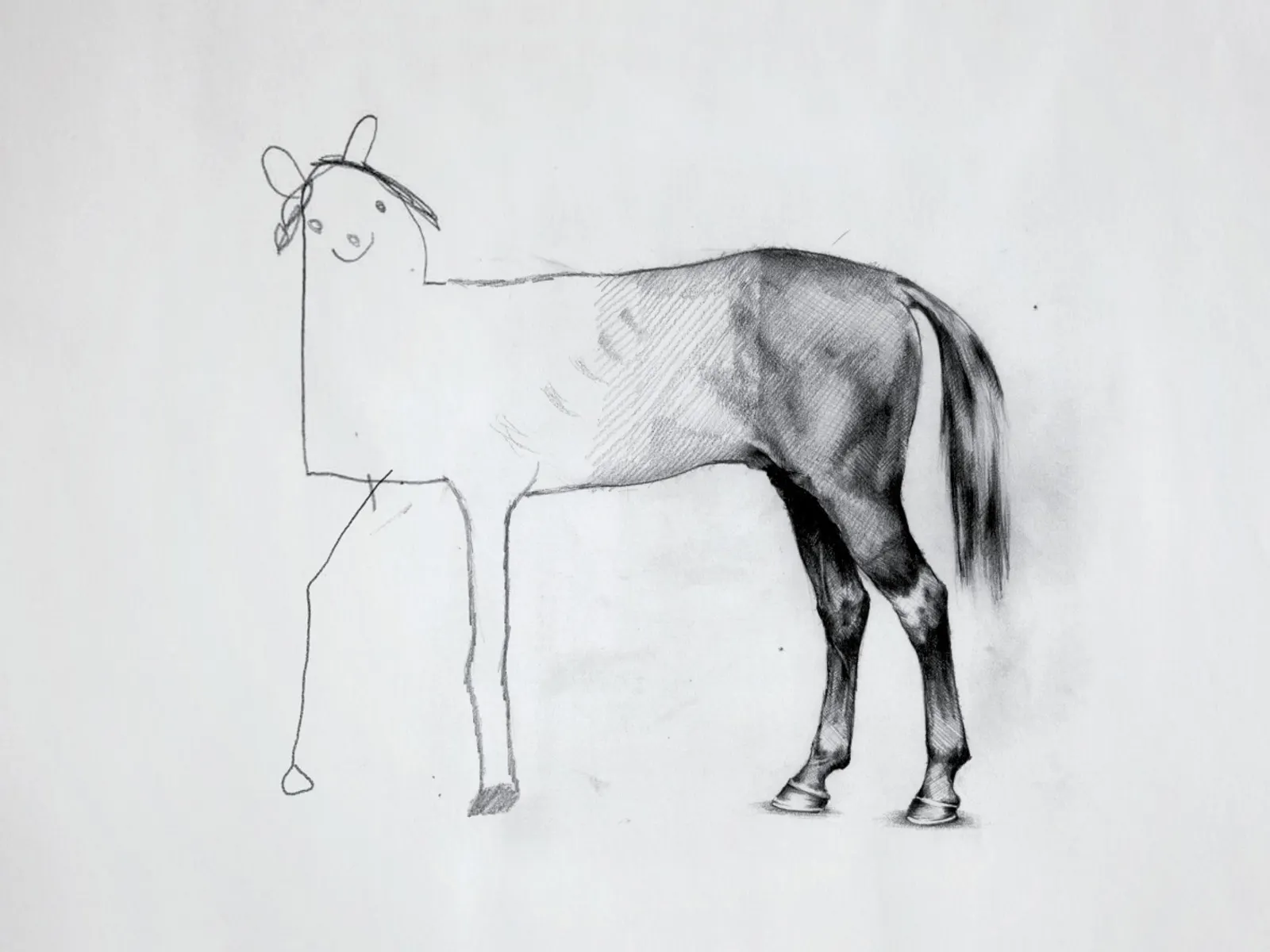
Most startups die the same way. A founder falls in love with one idea, pitches it, raises for it, and spends two or three years building before the market says no. By then the bank is empty. The post-mortem always sounds the same: we should have validated earlier.
We take that sentence seriously. It is the reason OS Research exists.
OS Research is a startup validation studio. We treat ideas as hypotheses and run experiments until they hold up or collapse. One sentence captures it:
We validate ideas with structured experiments.
That looks simple. In practice it means two things.
Experimenting is the identity, not a phase
Most companies "do discovery" at the start, then move to execution and never look back. OS Research does not work like that. Running experiments is the work. Every week. On every idea. The output is not a deck. It is evidence.
Progress is risk reduced, not hours burned
Tickets closed and meetings held are activity, not learning. Every interview, every landing page, every pre-sale produces evidence. Evidence produces insight. Insight reduces risk.
Killing a bad idea fast counts as progress. Eight weeks to prove an idea is dead saves the twenty-four months we would have spent trying to make it live. The cheapest failure is the one you run into on purpose, early.
We work with many ideas, not one
Because experiments produce data instead of commitment, we run a portfolio. Some ideas hunt for a real problem. Some test a value proposition. Some run a pre-sale. A few graduate into companies. Ideas compete; evidence is the referee. Closer to a scientific lab than a single-founder bet.
Run enough good tests across enough ideas and a few become good ideas that can't fail: proven by real customers with real money before launch. Those are the blue-ocean companies we operate.
The loop
Inside any one idea, the work is a boring repeating loop. That's the point.
First question, always: what needs to be true for this idea to work? Most teams skip it and build a solution for an assumed problem. We list assumptions first.
The Business Model Canvas maps the whole business. Every box contains assumptions. We extract them, rank by risk (the assumption most likely to kill the business goes first), pull the top five onto a Progress Board, design a Test Card for each, run it, write a Learning Card, update the model, re-rank, repeat.
Not fast. Not glamorous. The job.
Five beats for every write-up
The easiest way to lie to yourself is to read evidence as whatever you wanted to hear. So every result is written in the same five beats:
Hypothesis · Experiment · Evidence · Insight · Action.
Example: For the Risk Block hypothesis, we interviewed 50 people. 72% wanted banking anytime, anywhere. That supports the hypothesis. We then A/B tested branch vs. pop-up store to strengthen the signal.
If a project cannot be told in those five beats, the team has skipped a step or confused opinion for finding.

What we are not
Not an agency. Agencies sell labor by the hour. We take concentrated bets on our own ideas.
Not an accelerator. Accelerators wait for founders. We originate ideas, test them, then find operators.
Not consultants. Consultants sell slides. We sell evidence, usually for ourselves.
The closest label is scientist of business: someone who treats a founding vision the way a scientist treats a hypothesis. Rashmi Sinha, founder of SlideShare, said it better than we can:
A founding vision for a startup is similar to a scientific hypothesis.
An idea is not a truth. It is a claim. Go test it.
What this means in practice
If you are considering working with OS Research, investing, or joining the team: we will not ask you to believe in our ideas. We will show you the evidence that convinced us, the experiments behind it, and the ideas that couldn't survive contact with reality.
That is the whole method. The rest of this series unpacks it.
Read the full series:
Inside a Startup Validation Studio: How We Work (you are here)